by Michael K. Hirshorne | Aug 28, 2026
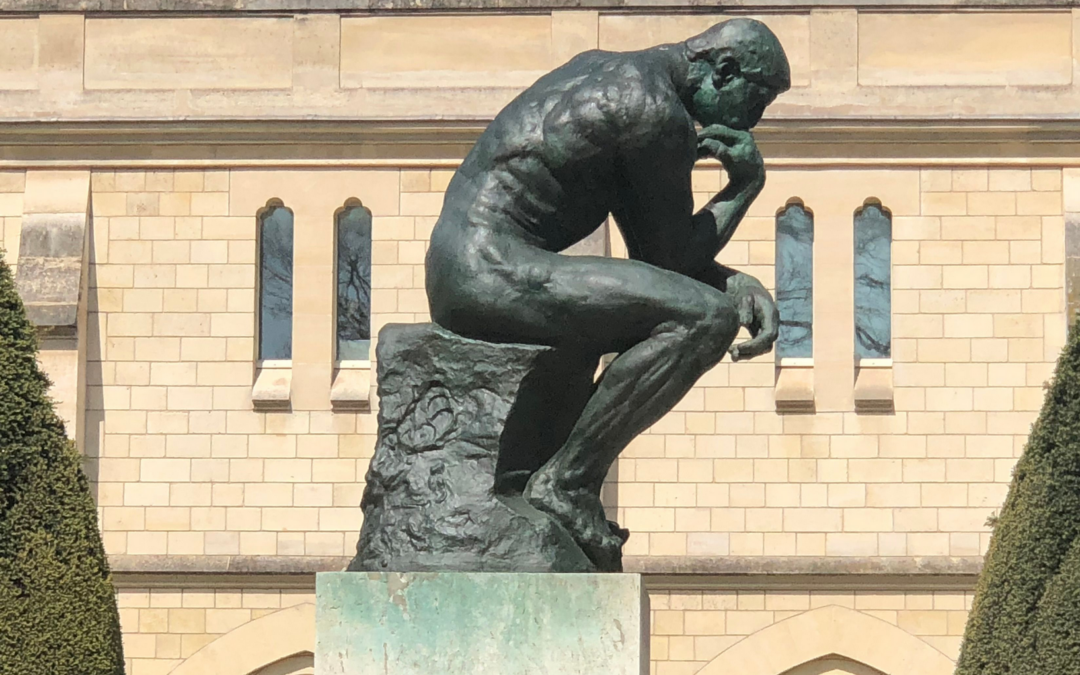
How does one make the distinction between who we were told we are (artist, accountant etc.) and who we’re choosing to become?
Question 1: Where does this idea come from?
It starts with a simple but radical claim: “Neither my past, nor your thoughts about who I am get to define me.”
Think about how much of our identity is inherited rather than chosen. Our past — the mistakes, the labels, the roles we played at twenty that we’re still playing at forty — feels like evidence. It feels like proof of who we are. And other people’s opinions of us feel almost as solid, because they come at us from the outside, repeated so often they start to sound like fact.
But from a metaphysical standpoint, neither of those is the source of self. They’re just residue. Echoes. The past is a photograph of a self that no longer exists in this moment, and other people’s thoughts are photographs of their limited view of you. Neither is alive. Neither is now.
Question 2: So if those don’t define us, what does?
“The next highest thought about my Self does.”
- Not the loudest thought
- Not the most familiar thought
- Not even the most comfortable thought
The highest one. The one that stretches you slightly beyond where you’ve been standing.
Here’s the deeper teaching underneath it: the soul is not a fixed object sitting somewhere inside you waiting to be discovered once and for all. It’s closer to a living current — always available, always offering you the next rung on the ladder. Every moment presents a choice between the thought that keeps you small and familiar, and the thought that calls you upward.
- A past mistake says, “You always do this.”
- The next highest thought says, “That happened. This moment is new.”
- A person’s judgment says, “This is who you are to me.”
- The next highest thought says, “I get to answer to something higher than your perception.”
That’s not denial of the past. It’s refusing to let the past — or anyone else’s snapshot of you — outrank your own becoming.
Question 3: How does someone actually live this out?
Practically, it looks like a discipline of noticing:
- When an old identity tries to reassert itself (“I’ve always struggled with this”), pause and ask: Is this the highest thought available to me right now, or just the most familiar one?
- When someone else’s opinion lands heavy, remember it’s data about their consciousness, not a verdict on yours.
- Treat each day as an invitation to reach one rung higher than yesterday’s self-concept — not a wholesale reinvention, just one step up.
This is the essence of self-actualization understood spiritually: not becoming someone new, but continually choosing the higher thought about who you already, truly are. The “I” isn’t a fixed noun. It’s a direction.

by Michael K. Hirshorne | Jul 27, 2026
What if the only moment we could ever experience was the eternal moment of now; would we worry less and create more?
Michael K. Hirshorne
It’s a question worth sitting with, because the past is memory and the future is imagination — but now is the only place life actually happens. Everything I’ve ever built, healed, or become happened in a now. And everything I will ever create must happen there too.
The Past Is Not a Blueprint
I was taught to build my future from my history — from what worked before, from what hurt before, from patterns I’d already lived. But the past is finished. It has no creative power left except the power I keep loaning it. The only real building material I have is this moment, charged with conscious thought and feeling.
That’s the deeper teaching: thought alone is potential. Thought plus feeling becomes substance. Here’s how I consciously choose what to create:
I imbue the thought with gratitude “in advance” for that which I choose to manifest into form, as if it has already occurred.
Gratitude offered before the fact isn’t wishful thinking — it’s a declaration that the outcome is already real in the unseen, waiting to catch up in form.
When a Door Closes, Something Better Opens
It’s easy to believe in the eternal now when things go my way. The real test is when a path closes. Here’s what happened to me:
Sometimes when a door shuts — when I’m blocked from going down a particular path — a window opens that allows me to manifest something even better than I imagined for myself. I got my community health worker certification, thinking that this field is where I needed “to be.” Each interview led me back to my previous position as an administrator — working for a gastroenterology clinic. It turned out that the administrator position was exactly where I needed to be to do the most good, and make the most impact.
That’s the eternal now in action: not forcing yesterday’s plan onto today’s reality, but staying open to what this moment is actually offering.
Three Nudges Before the Fall
If you feel stuck in old patterns, there’s usually a warning system trying to redirect you before you get hurt. I’ve come to recognize it in three stages:
- The tap — a small, easy-to-ignore signal.
- The shake — a firmer, harder-to-dismiss push.
- Being knocked down — the lesson you can no longer avoid.
My advice is direct: take it from me — listen to the tap or the shake. Being knocked to the ground… HURTS!!!
“You can’t create your future from your past; only from your eternal moment of now.”
– Michael K. Hirshorne
Living the Practice
To create from the now rather than repeat the past:
- Notice the tap before it becomes a shake.
- Attach gratitude to what you want, as though it’s already arrived.
- Trust that a closed door may be redirecting you toward greater impact, not away from it.
The past can inform me. But only the now can create. I choose my thoughts, feel them fully, and let this moment do what only it can do — birth something new.
The past is history, and the future is a mystery; all we can ever experience is the eternal moment of now.
by Michael K. Hirshorne | Jun 26, 2026
Why do most people fear dying more than almost anything else?
“Because most people fear the unknown (change) more than anything else.”
That’s the whole thing in one sentence. It isn’t death itself that terrifies us — it’s the not-knowing. Human beings can tolerate an enormous amount of pain and struggle if they can predict it. What we can’t tolerate is stepping into a room with no map, no light switch, and no guarantee of what’s on the other side.
Death is the ultimate unknown. And so we build our lives around avoiding the conversation entirely, mistaking silence for safety.
But there’s an older, quieter idea worth sitting with:
Think of death as a “birth” INTO the metaphysical; and of birth as a “death” FROM the metaphysical.
– Michael K. Hirshorne
If that reframe is true, the “unknown” we fear so much isn’t a void. It’s a return.
Why We’re Here in the First Place
If birth is a “death” from the metaphysical — leaving a state of oneness to enter a limited, physical life — what is the soul meant to learn or accomplish during that limited time here?
“Whatever it decided (in the metaphysical) it needs to learn or improve on. It (the soul) knows it can have as many ‘chances’ as it needs if the lesson isn’t learned in the physical lifetime it is ‘born’ into.”
This is a profoundly freeing idea. It means:
- Life isn’t a pass/fail exam. The soul isn’t gambling everything on one attempt.
- You chose this classroom. The lessons of this lifetime weren’t handed to you at random — the soul selected exactly what it needed to work on.
- Falling short isn’t final. If the lesson doesn’t land this time, there’s no cosmic slamming of the door. There’s another chance, another birth, another “death from the metaphysical.”
That single shift — from one shot to as many chances as needed — quietly dissolves a lot of the pressure people carry around performance, perfection, and “running out of time.”
Living ON Purpose
If someone truly believed death was a “birth” into the metaphysical rather than an ending, how would it change the way they actually live?
“I think if they truly internalized that concept, they would lose their fear of death, and ‘live’ with purpose… ON purpose. It’s a beautiful thought, isn’t it?”
It is. And it’s the difference between a life that happens to you and a life you actively author. When the fear of the unknown loosens its grip, people tend to:
- Take the risk they’ve been postponing
- Say the thing they’ve been swallowing
- Love without guarding themselves quite so tightly
- Stop treating urgency and anxiety as the same thing
“Fear of death dissolves immediately, when the concept of death (as a permanent ending) dissolves…”
– Michael K. Hirshorne
Self-actualization, seen this way, isn’t about outrunning death. It’s about living so intentionally — so on purpose — that when the next threshold arrives, it feels less like a loss and more like graduation.

by Michael K. Hirshorne | Apr 24, 2026
“If we want to experience radical change, then it requires a RADICAL shift in thinking.”
Michael K. Hirshorne
The Exhaustion That Woke Me Up
When the Soul Refuses to Stay Silent
There’s a particular kind of exhaustion that has nothing to do with the body. It arrives after years of doing everything “right” — the long hours, the steady paycheck, the responsible choices — and yet at the end of the day, you collapse on the couch with a quiet, unsettling question echoing through you: Is this all there is?
That question is not a complaint. It is a cosmic signal. Your higher self — the infinite, expansive consciousness that exists beyond your name, your title, and your to-do list — is knocking. Loudly. The soul was never designed to be contained by a commute.
Metaphysically speaking, that moment of exhaustion is a threshold. It is the Universe creating enough discomfort to make you look up. The question is: will you answer the door?
The Wheel That Wasn’t Going Anywhere
Recognizing the Loop — and Breaking It
The first radical thought is rarely comfortable. It sounds something like this: I have been spinning my wheels. Not because you lacked effort — but because you were pouring enormous energy into a direction that wasn’t aligned with your purpose.
In metaphysical terms, misalignment creates friction. When your outer life contradicts your inner calling, you expend more energy than you receive. You feel depleted not because life is hard, but because you are working against your own vibrational truth.
The shift begins when you dare to think a bigger thought: I was put here to do something more. That single belief — fragile at first, radical in its implications — becomes the seed of an entirely new reality. For many, it opens the door to metaphysics: the study of consciousness, energy, perception, and the invisible architecture behind all visible experience.
Ten Minutes That Can Change Everything
Your Practical Path to Radical Transformation
So what do you do if you’re standing in that place right now — exhausted, questioning, sensing that there must be more? Here is the most important thing to understand:
Do not let what you have to do stop you from doing what you are meant to do.
You don’t need to quit your job tomorrow. You don’t need a dramatic life overhaul by next Tuesday. Radical thinking does not always arrive like a thunderbolt — sometimes it arrives in ten quiet minutes a day. Begin here:
- Carve out 10 minutes daily to follow your passion — read, write, create, meditate, or simply sit with the question of your purpose.
- Consume content that expands your thinking — books, teachings, and conversations rooted in consciousness and self-actualization.
- Treat your inner life as a priority, not an afterthought.
- Notice the resistance — and move anyway. Resistance is where transformation lives.
- Ask daily: What would my highest self choose today?
Those ten minutes compound. They become twenty. Then an hour. Then a life.
“Don’t die with the music still playing in your head”
– Dr Wayne Dyer
You came into this world carrying a frequency that belongs only to you — a gift, a mission, a song. The greatest tragedy is not failure. It is arriving at the end of your life having never played your note out loud.
Radical change is available to you. But it will not come from doing the same things while hoping for different results. It comes when you are willing to think thoughts you’ve never thought before — about who you are, why you are here, and what becomes possible when you finally say yes to your own becoming.
The door is open. The only question is whether you will walk through it.

by Michael K. Hirshorne | Feb 20, 2026
How Can I Tell if What I’m Thinking About Is Ego-Based or Soul-Based?
“We need to simply ask ONE question: Does what I’m about to think, say or do serve my highest good”?
— Michael K. Hirshorne
The Ultimate Filter for Conscious Living
In the journey of self-actualization, we face countless decisions every single day. Some seem trivial—what to eat for breakfast, which route to take to work. Others feel monumental—whether to end a relationship, change careers, or speak our truth. But beneath all these choices lies a deeper question that can transform how we navigate our entire existence.
We need to simply ask one question: does what I’m about to think, say or do serve my highest good?
This single inquiry acts as a spiritual compass, cutting through the noise of external pressures, conditioning, and fear-based thinking to reveal the path aligned with our soul’s purpose.
Understanding the Two Voices Within
The Ego’s Whisper
The ego operates from a place of separation and survival. Its primary concern is protecting the self-image, avoiding discomfort, and maintaining control. When ego drives your thoughts, you’ll notice certain telltale signs:
- Comparison with others and feelings of superiority or inferiority
- Need for external validation and approval
- Fear of judgment, failure, or loss
- Reactive emotions like defensiveness or jealousy
- Attachment to specific outcomes
- Desire to prove, convince, or dominate
The ego isn’t inherently evil—it’s simply limited. It sees through the lens of past wounds and future anxieties, never fully present in the eternal now.
The Soul’s Calling
Your soul, on the other hand, speaks from a place of wholeness and connection. It understands that your highest good aligns with the collective good. Soul-based thinking carries a different energy:
- Service and contribution beyond personal gain
- Sense of peace and inner alignment, even when the path is challenging
- Compassion for yourself and others
- Trust in the unfolding process
- Expansion rather than contraction
- Authenticity over performance
“Before “reacting” pause, think and listen with your soul; NOT your ego”
– Michael K. Hirshorne
The Practice: One Question, Infinite Clarity
Before you think a thought that will spiral into worry, ask:
Does this serve my highest good?
Before you speak words that might harm or manipulate, ask:
Does this serve my highest good?
Before you take action driven by fear or obligation, ask:
Does this serve my highest good?
What “Highest Good” Really Means
Your highest good isn’t about comfort, convenience, or getting everything you want. It’s about alignment with your soul’s evolution and purpose. Sometimes your highest good involves difficult conversations, uncomfortable growth, or releasing what no longer serves you.
The highest good has three essential qualities:
- Truth – It resonates with your authentic self
- Love – It honors your inherent worth and dignity
- Growth – It moves you toward expansion and awakening
Living the Question
This practice doesn’t require perfection. You’ll still make choices from ego. You’ll still get caught in old patterns. The magic lies in the pause—that sacred moment when you stop, breathe, and inquire.
Over time, this question becomes your internal guidance system. You’ll develop sensitivity to the subtle difference between ego’s frantic urgency and soul’s quiet knowing. You’ll recognize that what serves your highest good creates ripples of positive energy that extend far beyond yourself.
The path of self-actualization isn’t about eliminating the ego but about choosing consciously which voice you’ll follow. One question at a time, you reclaim your power as the conscious creator of your experience.
Start now. Ask the question. Listen deeply. Act accordingly.
Your soul has been waiting.
by Michael K. Hirshorne | Dec 5, 2025
Ask yourself this question—Will it really “matter” in a week, a month, a year, or a lifetime?
The Weight We Carry
We move through our days collecting grievances like stones in our pockets. The coworker who took credit for your idea. The friend who forgot to text back. The driver who cut you off in traffic. Each moment of frustration becomes a weight we carry, distorting our perception of reality and blocking the flow of positive energy that seeks to move through us.
But here’s the metaphysical truth most people miss: energy follows attention. Where you place your focus determines not just your emotional state, but the very frequency at which you vibrate within this universe.
The Smile Test: Your Daily Compass
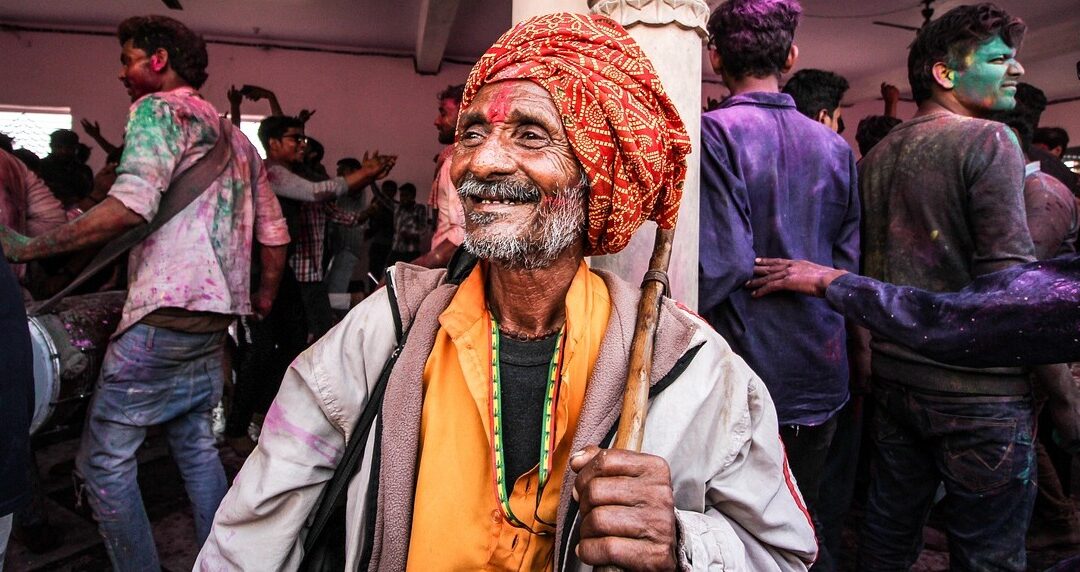
“Live your life each day as if the ONLY thing that mattered was – at the end of it, can you look back……..and smile?”
– Michael K. Hirshorne
This isn’t about toxic positivity or denying pain. It’s about conscious reality creation—choosing which experiences deserve your precious life force energy.
What Makes You Smile?
The smile test reveals three categories of experience:
- Eternal moments – Love shared, beauty witnessed, growth achieved
- Temporary irritations – Minor conflicts, delays, disappointments
- Illusory problems – Ego wounds, comparison traps, fear-based thinking
When you’re lying in bed tonight reviewing your day, which category will dominate your consciousness?
The Vibrational Frequency of Joy
From a metaphysical perspective, joy isn’t just an emotion—it’s your natural state. It’s the frequency of your authentic self, unclouded by the lower vibrations of resentment, fear, and attachment to outcomes you cannot control.
Practical Alchemy: Transmuting Daily Experience
Here’s how to practice this ancient wisdom in modern life:
- Morning intention setting: Before rising, declare your commitment to joy as your primary frequency
- The pause practice: When triggered, ask “Will this matter in a year?” before reacting
- Evening gratitude: Review your day for smile-worthy moments, however small
- Energy audits: Notice who and what consistently lowers your vibration—then create boundaries
The Self-Actualization Paradox
Abraham Maslow taught us about self-actualization, but he missed something crucial: You don’t become self-actualized by achieving external goals. You self-actualize by remembering you were never broken in the first place.
Living for the smile is recognizing that you are consciousness having a human experience, not a human struggling toward consciousness. Every day offers countless opportunities to remember this truth or forget it.
Your Invitation to Freedom
The question “Will it matter?” is really asking: “Does this serve my highest self?” Not the ego-self that needs to be right, admired, or in control. The highest self—the one connected to infinite intelligence, boundless love, and creative power.
When you release what doesn’t matter, you create space for what does. You align with the natural flow of universal energy rather than resisting it. You become a conscious creator rather than a unconscious reactor.
Try being thankful in advance, and feeling it “as if”; watch the magic !
– Michael K. Hirshorne
The Only Legacy That Matters
At the end of your life, you won’t remember your longest argument or your pettiest victory. You’ll remember the moments you chose love over fear, connection over righteousness, and joy over being right.
So today—this day, the only one you truly have—choose to live for the smile. Let everything else fall away like autumn leaves, natural and necessary. What remains is the eternal you, radiant and free.
Will you remember this moment? Make it worth remembering.